

Anton Pavlovich Chekhov (Tsjechov)
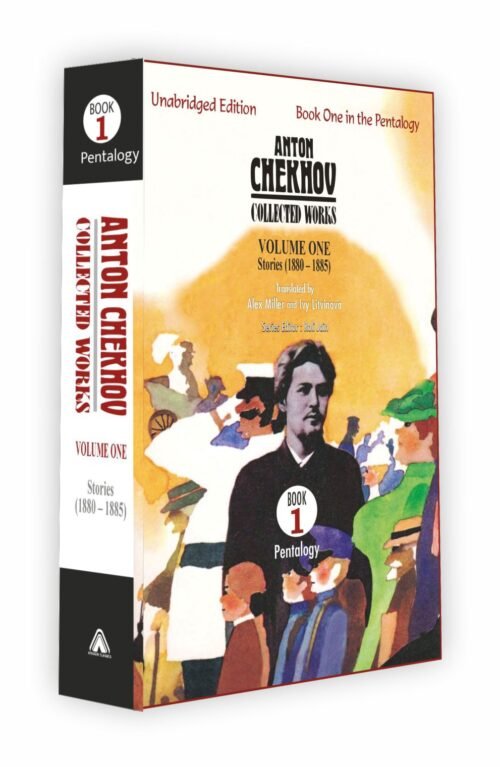
Anton Pavlovich Chekhov (29 January 1860 – 15 July 1904) was born in Taganrog, a commercial port city on the Sea of Azov – on Politseyskaya (Police) street, later renamed Chekhova street – in southern Russia. He was the third of six surviving children; he had two older brothers, Alexander and Nikolai, and three younger siblings, Ivan, Maria, and Mikhail. His father, Pavel Yegorovich Chekhov, the son of a former serf and his wife, was from the village Olkhovatka (Voronezh Governorate) and ran a grocery store. He was a director of the parish choir, a devout Orthodox Christian, and a physically abusive father. Pavel Chekhov has been seen by some historians as the model for his son’s many portraits of hypocrisy. Chekhov’s mother, Yevgeniya (Morozova), was an excellent storyteller who entertained the children with tales of her travels all over Russia with her cloth-merchant father. “Our talents we got from our father,” Chekhov recalled, “but our soul from our mother.” Chekhov then assumed responsibility for the whole family. To support them and to pay his tuition fees, he wrote daily short, humorous sketches and vignettes of contemporary Russian life, many under pseudonyms such as “Antosha Chekhonte” and “Man Without Spleen”. His prodigious output gradually earned him a reputation as a satirical chronicler of Russian street life very soon he became an established playwrighter and short-story writer. He was widely considered to be the one of the greatest writers of all time. His career as a playwright produced four classics, and his best short stories are held in high esteem by writers and critics. Along with Henrik Ibsen and August Strindberg, Chekhov is often referred to as one of the three seminal figures in the birth of early modernism in the theatre. Chekhov was a physician by profession. “Medicine is my lawful wife,” he once said, “and literature is my mistress.”
Chekhov renounced the theatre after the reception of The Seagull in 1896, but the play was revived to acclaim in 1898 by Konstantin Stanislavski’s Moscow Art Theatre, which subsequently also produced Chekhov’s Uncle Vanya and premiered his last two plays, Three Sisters and The Cherry Orchard. These four works present a challenge to the acting ensemble as well as to audiences, because in place of conventional action Chekhov offers a “theatre of mood” and a “submerged life in the text.” The plays that Chekhov wrote were not complex, and created a somewhat haunting atmosphere for the audience. Chekhov began writing stories to earn money, but as his artistic ambition grew, he made formal innovations that influenced the evolution of the modern short story. He made no apologies for the difficulties this posed to readers, insisting that the role of an artist was to ask questions, not to answer them. In 1884, Chekhov qualified as a physician, which he considered his principal profession though he made little money from it and treated the poor free of charge. In 1884 and 1885, Chekhov found himself coughing blood, and in 1886 the attacks worsened, but he would not admit his tuberculosis to his family or his friends. He confessed to Leykin, “I am afraid to submit myself to be sounded by my colleagues.” He continued writing for weekly periodicals, earning enough money to move the family into progressively better accommodations.
-
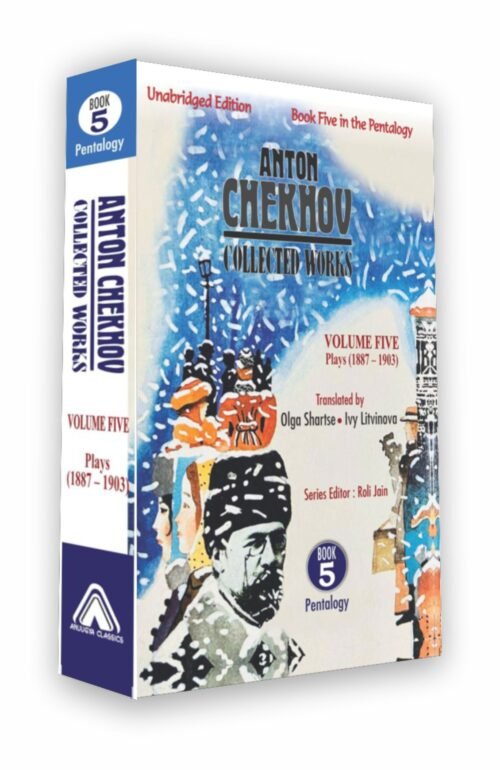 Select options This product has multiple variants. The options may be chosen on the product pageQuick View
 -
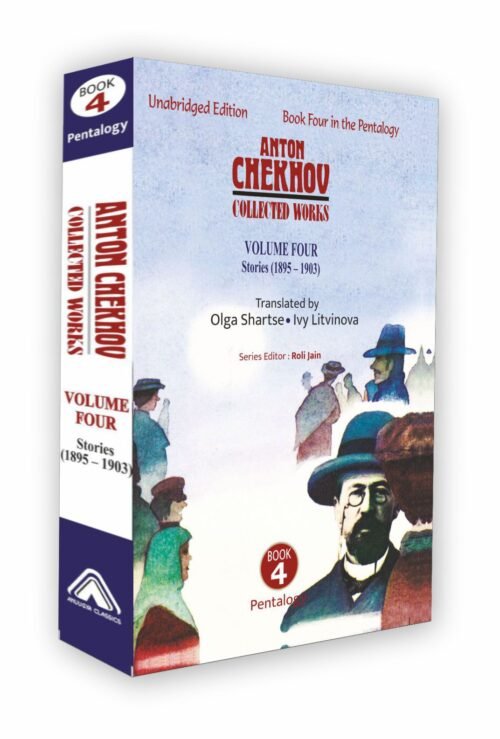 Select options This product has multiple variants. The options may be chosen on the product pageQuick View
 -
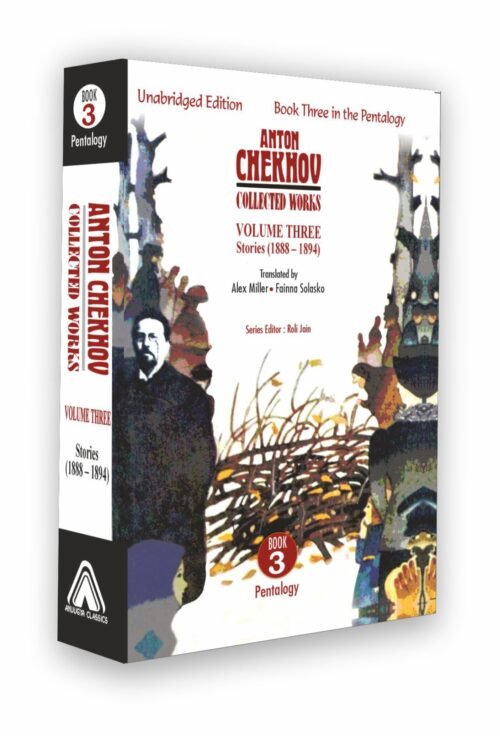 Select options This product has multiple variants. The options may be chosen on the product pageQuick View
 -
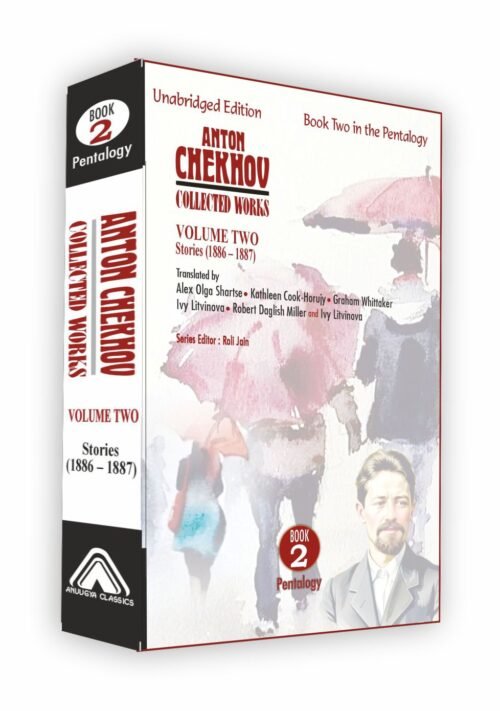 Select options This product has multiple variants. The options may be chosen on the product pageQuick View
 -
 Select options This product has multiple variants. The options may be chosen on the product pageQuick View